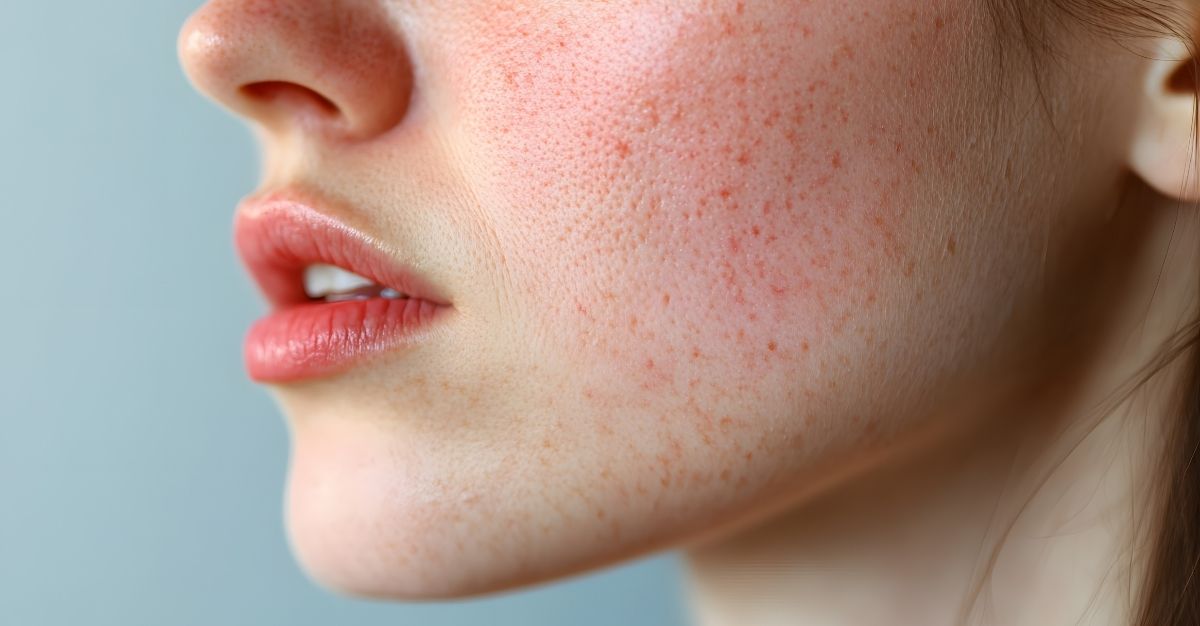
Let’s Talk Redness, Rosacea & Sensitive Skin
Get your FREE Guide to Healthy Aging sent to your inbox!
Sign up for Email alerts
A smarter, skin-first approach for calmer, healthier-looking skin
Facial redness, flushing, and skin sensitivity are some of the most common—and most frustrating—concerns we see at CA Skin & Body Clinic. For many people, redness isn’t just a cosmetic issue. It affects confidence, comfort, and daily skincare choices, often creating fear and limitations around trying new products or treatments.
Rosacea and chronic skin sensitivity can leave individuals stuck in a cycle of trial and error—or worse avoidance – where a product causes burning, another triggers flushing, and the skin becomes more reactive over time instead of calmer or it does nothing at all to or for the skin.
The good news is that redness-prone and sensitive skin is far better understood today than it once was. When approached thoughtfully—with an emphasis on skin barrier health, inflammation control, and appropriate treatment selection—redness can often be reduced and managed effectively over time.
Understanding Redness and Rosacea
Redness can appear for many reasons, ranging from temporary flushing to chronic inflammatory conditions. One of the most common causes of persistent facial redness is rosacea.
Rosacea is a chronic inflammatory skin condition that typically affects the central face, including the cheeks, nose, chin, and forehead. It can present differently from person to person, but common features include:
Persistent redness or flushing
Visible blood vessels
Burning or stinging sensations
Skin sensitivity
Acne-like breakouts in some cases
Eye irritation or dryness for certain individuals
Sensitive skin, while not always rosacea, often overlaps in symptoms. People with sensitive skin or “reactive skin” may experience redness, itching, tightness, or irritation in response to skincare products, environmental exposure, temperature changes or even touch.
Why Skin Becomes Red and Reactive
Redness and sensitivity are not random. They are driven by a combination of structural, inflammatory, vascular, and neurological factors within the skin.
A Compromised Skin Barrier — And Why New Mexico Makes It Worse
The skin barrier plays a critical role in protecting against infection, irritants, allergens, and moisture loss. When this barrier is weakened, the skin becomes more reactive and prone to inflammation because it cannot perform its duties as it is meant to.
In New Mexico’s dry, high-desert climate, barrier disruption is especially common. Low humidity, high UV exposure, wind, and temperature swings increase transepidermal water loss, making it harder for the skin to retain moisture and stay resilient.
When the barrier is compromised, irritants penetrate more easily and water escapes faster, leading to dysfunction in your skin like dryness, oiliness, redness and irritation—even when using products labeled for “sensitive skin.”
In a Dry Climate, What does your skin barrier need?
Barrier support in an arid environment requires more than a lightweight moisturizer. The skin needs hydration, lipids, and skin structure working together.
Helpful product categories include:
Gentle, non-foaming cleansers
Creamy or milk-based cleansers that clean without stripping natural oils help prevent tightness and irritation.Barrier-repair moisturizers
Products containing ceramides, cholesterol, and fatty acids help rebuild the skin’s protective layer.Humectants paired with occlusives
Ingredients like glycerin or hyaluronic acid attract moisture, but in dry air they must be paired with lipid-rich ingredients (such as squalane or tallow) to prevent evaporation.Calming, anti-inflammatory ingredients
Ingredients such as panthenol (Vit B5), zinc, beta-glucans, colloidal oatmeal, and appropriate levels of niacinamide (Vit B3) help reduce reactivity while supporting repair.Mineral-based sun protection
Daily sun exposure is a major trigger for redness. Mineral sunscreens, with zinc and titanium, are often better tolerated by sensitive and rosacea-prone skin and are essential in our high-UV region.
In New Mexico, barrier repair is not a short-term fix—it’s an ongoing strategy for healthy, resilient skin.
Now Let’s Look Deeper. Chronic Inflammation — Treating Redness From the Inside
Inflammation is at the core of rosacea and sensitive skin. While topical products and in-office treatments can calm the skin’s surface, lasting improvement often requires addressing inflammation systemically as well.
When inflammatory pathways are running on overdrive:
Blood vessels dilate more easily
Nerve endings become hypersensitive
Flushing and burning become the norm
Barrier repair slows
Internal Factors That Influence Skin Inflammation
Several internal systems influence how reactive the skin becomes:
Gut and immune balance, the gut-skin connection is real and directly affects inflammatory signaling
Oxidative stress is increased from UV exposure, stress, and poor sleep
Blood sugar fluctuations, impairs healing throughout the body
Nervous system activation, often triggered by chronic stress
Supporting Inflammation From Within
At CA Skin & Body Clinic, we recognize that skin health is directly connected to what’s happening beneath the surface. While professional treatments help calm and stabilize the skin externally, internal support can help reduce the signals driving inflammation from within.
Our internal support protocols are designed to complement topical care and in-office treatments by helping to:
Reduce systemic inflammation that fuels redness and flushing
Support gut and immune balance
Improve cellular resilience and repair
Lower oxidative stress that contributes to chronic skin sensitivity
When internal inflammation is addressed alongside thoughtful skincare and treatments, the skin often becomes calmer, more tolerant, and more responsive over time; and your treatments become more effective with longer lasting results.

Common Triggers That Worsen Sensitive Skin
Triggers vary from person to person, but common contributors include:
Unprotected Sun exposure
Extremes in Heat and Temperature
Spicy foods and alcohol consumption
Physical and Emotional stress
Harsh skincare products, especially those containing acids
Over-cleansing and/or frequent exfoliation
Identifying and minimizing personal triggers is an important part of long-term management.
What to Avoid With Redness-Prone Skin
One of the biggest mistakes people make is trying to “fix” redness aggressively. Over-treatment of any kind often worsens symptoms.
Common pitfalls include:
Frequent exfoliation or peels
Using multiple active products at once, without understanding what they are for
Chasing quick fixes instead of consistency
Ignoring early signs of irritation
Treating only from the top or the surface
Redness improves most reliably when the skin feels safe, supported, and protected from the inside out.
What Healthy Progress Looks Like
Improvement is usually gradual. Early signs of progress may include:
Reduced burning or stinging
Less frequent flushing
Improved tolerance to skincare products
A more even overall skin tone
Consistency matters far more than intensity.
Why Consultation Matters
Redness, rosacea, and sensitive skin are highly individual. What helps one person may aggravate another. A professional consultation helps identify underlying contributors—both external and internal—so care can be tailored safely.
At CA Skin & Body Clinic, the Beyond Skin Deep Consultation allows us to:
Assess skin barrier health and sensitivity patterns
Identify triggers and inflammatory contributors
Determine which treatments are appropriate—and which should be avoided
Discuss internal support options for long-term skin stability
Ready to Support Calmer, Healthier Skin?
If persistent redness or sensitivity has been limiting your comfort or confidence, personalized guidance can make a meaningful difference.
Schedule your Beyond Skin Deep Consultation
📞 575-222-0900
You can shop for healthy snacks, skin care and nutritionals to boost your immune system at our Wellness Store
You can purchase Anna Approved supplements at Systemic Formulas
Here’s to better skin from within,
Anna Hooley, CNP, MSN
CA Skin & Body Clinic // Optimal Vitality Resource